The Title Was Never You: Surviving the Identity Cage
Prefer audio only?
About this Episode
In episode 363 of The Real Jason Duncan Podcast, Tom LeNoble discusses how he built careers at Facebook, Walmart, HP, and Verizon – the jobs most people spend their whole lives chasing. And then his body started breaking down. More than once. Life-threatening. And in those hospital rooms, stripped of every title he had built his identity on, he found out the truth his business cards had been hiding for years: his value was never in what he did.
Tom LeNoble has held leadership roles at Facebook, Walmart.com, Palm, and MCI. He's now CEO of the Academy for Coaching Excellence and a leadership coach at Santa Clara University's Miller Center for Global Impact. He survived multiple life-threatening illnesses and has lived with metastatic cancer for over fourteen years. He is the #1 bestselling author of My Life in Business Suits, Hospital Gowns, and High Heels – a memoir that traces everything we talk about in this conversation. Today, Tom sits down with Jason to expose one of the most invisible and dangerous golden cages a high performer can build: the belief that your worth lives in your title, your role, and how well you perform. Lose the role, and you lose yourself. Until you finally find out that was never true.
This episode dives into:
The moment Tom first suspected the business suit wasn't doing what he thought it was doing
Growing up in humble beginnings – and how that wired him to chase titles as proof of worth
The lie culture, family, and industry handed him – and how long he believed it before the truth hit
What it actually felt like to be on a fast track at some of the biggest companies in the world – and why it still felt like something was missing
Surviving life-threatening illness more than once – and why the first time wasn't enough to crack the cage open
What happened in the gap between diagnoses – and what belief was strong enough to pull him back into the performance even after his body sounded the alarm
The moment everything he thought he knew turned out to be wrong
Why the most dangerous cage isn't built from failure – it's built from real results and genuine achievement
What it looks like to coach senior executives who are deep inside the same cage he almost died inside – and why most of them are certain they're not
Why title-identity is the hardest cage to call out to a high performer
The truth on the other side: your value was never in what you did – it's in who you are, what you share, and how you serve others
What he knows now that he wishes someone had told him twenty years ago – and why nobody did
What he wants the world to know
If you've ever used a title, a company name, or a role to answer the question "who are you?" – this episode is the one that finally names what that costs.
🎧 Listen to the full episode now
👉 Subscribe for more honest conversations about the lies that look like gold and the truths hiding underneath them.
Who is Tom LeNoble?
Tom LeNoble is the CEO of the Academy for Coaching Excellence, a leadership coach at Santa Clara University's Miller Center for Global Impact, and a confidential advisor to executives, founders, and nonprofit leaders navigating the moments where strategy alone is no longer enough. He has held senior leadership roles at Facebook, Walmart.com, Palm, and MCI – and has lived with metastatic cancer for over fourteen years, having been told he had six months to live more than once. He is the #1 bestselling author of My Life in Business Suits, Hospital Gowns, and High Heels, available on Amazon. His work helps high performers stop performing for worth – and start leading from it.
Tom LeNoble's Website: www.tomlenoble.com Email: [email protected] Tom LeNoble's Social Media: Instagram: @lenoble.tom LinkedIn: Tom LeNoble
Apply to Be a Guest: www.therealjasonduncan.com/podcast Love the show? Subscribe, rate, review & share! https://therealjasonduncan.com/podcast
Key Takeaways
- The lie I want to expose is that your value is tied to your role, your title, or how well you perform. Lose the role, and you lose yourself. The truth I found is that your value was never in what you do. It’s in who you are, what you share, how you are service to others. When you stop performing for worth…you start leading from it. And everything changes from there.
About the Guest
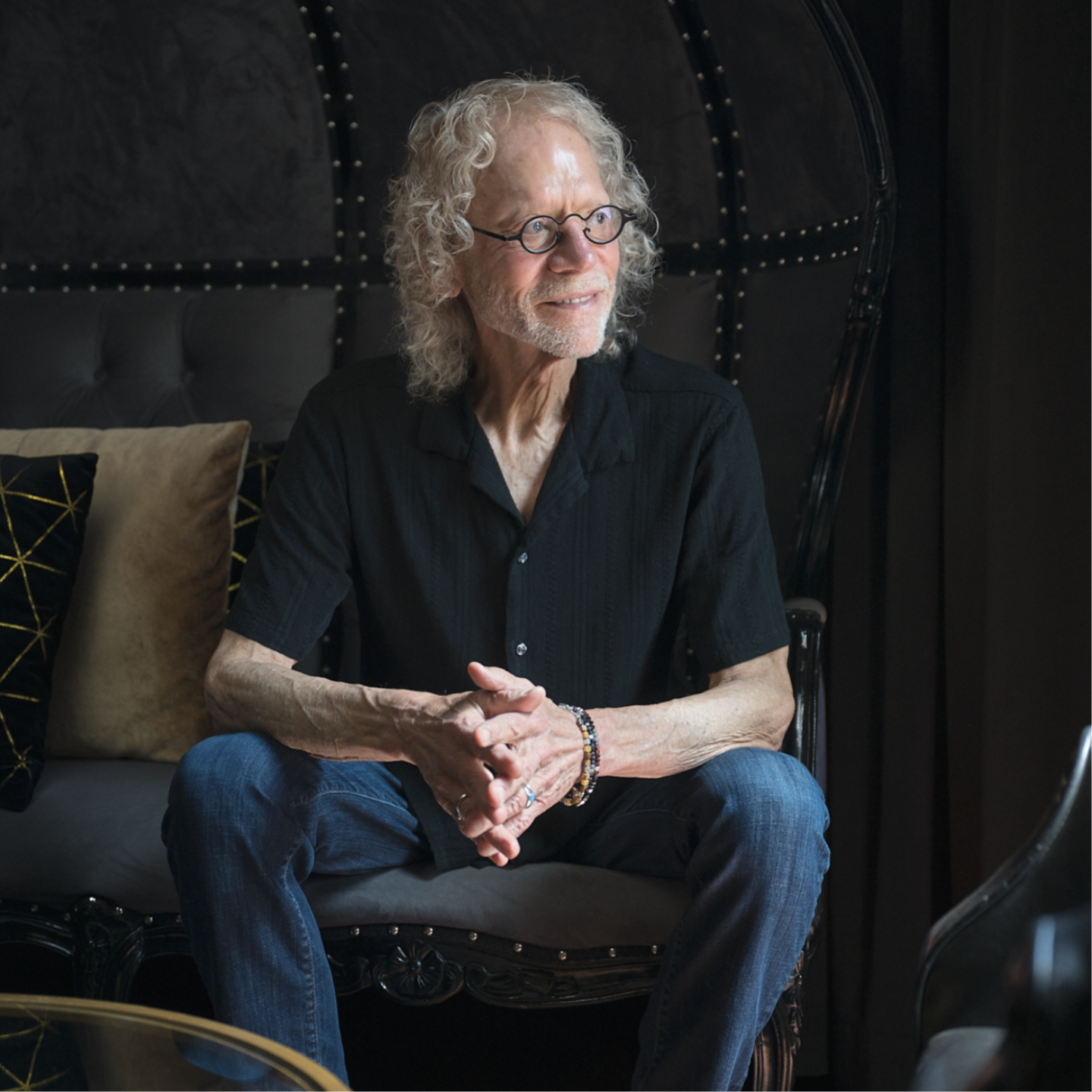
Tom LeNoble
Guest
Tom LeNoble has led in boardrooms and fought for his life in hospital rooms, surviving multiple life-threatening illnesses. From shaping growth at Facebook (META), Walmart.com, Palm (HP), and MCI (Verizon) to now serving as CEO of the Academy for Coaching Excellence and a leadership coach with Santa Clara University’s Miller Center for Global Impact, Tom helps others navigate adversity with courage and clarity. In his best-selling book, My Life in Business Suits, Hospital Gowns, and High Heels, Tom shares unflinching lessons on risk, resilience, and reinvention. This book is available on Amazon, and you can learn more by visiting www.tomlenoble.com. Follow @lenoble.tom on Instagram, Facebook, and LinkedIn.
Never miss an episode.
Subscribe to The Real Jason Duncan Podcast on your favorite platform.
Speaker 1 • 00:00
He built careers at Facebook, Walmart, HP, and Verizon. And what almost killed him wasn't the pressure, it was believing the titles were him. So welcome to the Real Jason Duncan Podcast. I am Jason Duncan, your hosts, and every guest on the show is here for one reason. They used to believe something that turned out to be wrong. And some of them figured it out on their own. Some of them had to either get knocked flat on their rear end first. But either way By the time they sit in this chair across the microphone, across the internet, in this case, across part of the Pacific, because he's in Maui and I'm in Nashville, by the time they sit in this chair, they know the difference between what's real And what isn't? The lies that that do the most damage are of course the ones that look like success, the ones that look like the right answer, the ones that you're so sh so sure about, so certain about that you never thought to even question them Those are the bars of the cage that we talk about on the show. And most people spend their whole lives inside that cage and they can't even see it So that's what this show is about. The gold is the lie, and every conversation we have here is about finding it, naming it, and then of course getting out of it. So who is my guest? Who am I talking to today? Well, the lie that my guest believed is one that millions of people are still living inside. And it sounds like this your value is your title. Your worth is your role. If you perform well enough, if you climb high enough, if you get the right company name on the business card, you can be somebody But but the cage, that's a golden cage, and it's there because the titles are real. And you know, listen, Facebook, Walmart, HP, Verizon, those aren't Consolation prizes, those are big deals. And those are the jobs people spend their whole careers chasing. And we're the one holding them. It feels less like a cage and more like a payoff. But then his body started breaking down. And more than once. And in those hospital rooms, stripped of every title but his identity on his own He found out the truth. His value is never in what he did. And that's where we're going to go today. My guest is Tom Lenoble. He's held leadership roles at Facebook Walmart, uh, Palm, MCI. He's now the CEO of The Academy for Coaching Excellence and a leadership coach at Santa Clara University's Miller Center for Global Impact. And he's the author of the best-selling memoir My Life in Business Suits, Hospital Gowns, and High Heels, which traces almost everything we're about to talk about. So welcome. Tom to the show.
Speaker 2 • 02:45
Jason, it's great to be with you and your viewers today. I've really been looking forward to joining you.
Speaker 1 • 02:51
Well, you know, the title of your book, Tom, My Life in Business Suits, Hospital Gowns, and High Heels, uh Three Different Wardrobes Let's start with business suits. Walk me in the moment when you first suspected the suit wasn't doing for you what you thought it was doing.
Speaker 2 • 03:05
You know, I think they're also interrelated, but that business suit that we wear and those titles and the success we think we're going to achieve. Often happens in life that something rearranges that for us. For me Those business suits have been erupted with two life-threatening illnesses. The first one I was told was terminal. And I've lived with metastatic cancer for 14 years. And as you can see, I'm still here You know, when you end up in the hospital room wearing hospital gowns, you know, that flimsy piece of fabric that never ties well in the back. You are there and no one cares about your title. Nobody cares about what success you've had or who you work for. conversation shift and there are no spreadsheets and decks to look at, there are no big meetings. It's people talking about something simple. about what's their priority. How are they going to live till tomorrow? How is their family going to react to news? How are they going to survive some of the treatments that are in front of them You know, Jason, I've had enough radiation that I glow in the dark. Um, you could put me in the corner at night and I could be the night light in your room, and you'd get around just fine.
Speaker 1 • 04:24
Wow. So oh you gotta you gotta tell us a little bit about that. So was the cancer was it somewhat related to the grind that you were in and the titles that you were holding or is it uh completely unrelated, just made you reconsider everything.
Speaker 2 • 04:37
You know, it's an interesting thing. The first illness I was at MCI. I was on a fast track. I had just finished moving four times in three years buying and selling houses. Because I was being promoted that fast. And I decided that I had to go and do some medical stuff that I'd put off and found out that not only was I sick, but that I had six months to live I remember the doctor telling me that and thinking to myself, well, that doesn't like fit well into the picture I've got going here. And I remember walking to my car, and I sat in the car, and I looked in the rearview mirror, and I spoke to the illness, and I said, if you want to join my party. Welcome. If you think you're going to take me out, you're in for the fight of your life. And I went back to work. A few weeks later, when I learned more about what was going on, I realized that I had to make one of the hardest decisions I've made, which was to go on disability and leave. that job um for a while. And stepping away from something you've worked so hard to achieve that you're on a fast track for. can take you to some very strange places. And I looked at it a little differently. Ever since I've been a kid, I've been very, very curious. And that's gotten me in trouble a few times Um I also there's something when people tell me something isn't possible or can't be done. There's this little voice that crawls up my neck in my ear and comes out of my mouth, watch this. And so I I went on disability, but I kept working. In fact, uh a few friends of uh mine and I got together and we created the DC Buyers Club. If you remember the Dallas Buyers Club movie with Matthew McConaughey. We created that in Washington, D. C. I used to say we we were a lot less Hollywood with a few less hookers, but I think we had plenty of hookers too. And um what we were doing was serving people that were in a similar situation at the time and very, very ill when there was really nothing else. That led me to realize that I needed to get to a different city and um it was either gonna be New York or San Francisco and I moved to San Francisco and I continued and ended up leading clinical trials around it within a doctor's office and Leading a nonprofit. And I realize that within illness, we can do one thing. We can let it take us down. We can let it bring us to our knees and destroy our life. Or we can stand up and understand that there's something which I do a keynote on today called living fully while dying. So what that led me down a path to was realizing that service to others would soon be what my life was about. But it didn't happen once. I got to relive that again.
Speaker 1 • 07:47
Wow. So I remember when I exited um exited one of my bigger companies The the four the there were four months after I left the company that I w I still owned it, but I I wasn't running it anymore. I didn't know who I was. I was going through this identity crisis and it was really unexpected. Very difficult to deal with. And a business coach and advisor kind of helped me get my head wrapped around, oh, Jason, you're not just the president and CEO of this company. You're you're you're this and this and this, and that's who you need to show up as So you there was a point where you started to see it for what it was where these titles weren't who you were. Which means before that You bought it. You you actually believed the suit, you believed the title, you believed the company name on the business card was who you were and it was the picture. But s and somebody had sold you that story l long time before you ever put that suit on. So where do you think that lie came from Why do we people like you and me believe that the title is who we are?
Speaker 2 • 08:50
I don't know about you, Jason, and I think we all have our unique story, but I grew up in fairly humble beginnings. I grew up you could read this in my book, we actually called the shack The shack. Um we fondly named it the shack. We had no hot water, we had no refrigerator, it was a one bedroom structure my grandfather had built, my brother and I lived in the bedroom, my parents bedroom was the living room. And um we never saw it as a uh as the bedroom, rather. Uh it was always the living room when we saw it. I can remember my father boiling vats of water on top of this kerosene stove I can still smell so we could have bath water and being the youngest you guess you can guess the pecking water I was on except my birthday. And um, you know, I remember even at five when I went to school, I didn't know the difference. We had lots of love. We were very proud. I had wonderful, wonderful parents. And And after going to school for a couple weeks, I came back home and I remember looking around the shack in my little five-year-old mind and going, yeah, this isn't the story. And in my generation, you were often told who you could be and what you could be. So it was you need to be a doctor, a lawyer, you need to be these certain things. So I think I got programmed that that's what I needed to do. Boy, did I take a big detour before I got there, but once I started my career Not only was I getting the affirmation of the money that it brings in that leads to more life, but I was hearing from how people how proud they were of me. And I think it felt like this was going to be the trajectory in life. And life being what life does, we get to learn something different. I have something in my practice called terrible gifts. What's a terrible gift? We all have things happen in our life. We lose someone we love, a relationship sends, our pet dies, we get sick. A disaster hits. These are terrible things we wouldn't wish on anyone. What I know to be true is whether it's a month, a year, five years, or ten years, there's a gift from it These are terrible gifts. I love the example of a woman, Lynn Mitchison, who, Olympiad level, went in for a minor surgery, got MRSA, came out of the hospital minus a leg As she sat in the wheelchair with a walking cane and stick, walking stick and cane, she looked at them and thought, these are like really ugly. This identifies me now. She was moved to make her own cane in the oven out of acrylic. She fashioned a handle around a wine bottle Today, Lindsay owns a global business called Neowalk where she makes these beautiful canes and walking sticks for people who need them So when you encounter these people today, instead of seeing their disability or their perceived handicap, there's something there for you to talk about, that beautiful cane or walking stick. Lindsay got a terrible gift.
Speaker 1 • 12:00
And your terrible gift came in the form of two life-threatening illnesses. What was the second one?
Speaker 2 • 12:05
I did. I did. You know, I I went back to work. I was told that this was as good as it gets. And I decided that little voice came up and said, watch this. So I decided I was going to go back to work. They all told me you're going to die And so I ended up getting a job in the dot-com craze at an internet startup, and I had missed the whole internet revolution. What's interesting about this story is after I did that, I started getting better. I started becoming healthier in the career you just said was what I was able to create. I once again had the title, The Nice Office. Got to interview with Mark Zuckerberg when he was 19 and be the in the first 75 employees at Facebook. But it came knocking again. My grandfather's, my father all had had prostate cancer. I was being washed like a hawk. And sure enough, there it was for me. And then it metastasized in my bones. The interesting thing is throughout all these illnesses, I kept working Now when I went to a meeting, I always made it a point to find out where the bathroom was before I did the meeting room. But uh um I think what that did for me was remind me back in the hospital gown again, back in some of the experience that illness brings. But there was something more for me to do that wasn't about a title, that wasn't about the business suit, that wasn't about that. It was how do I use these experiences? How do I take what's happened to me? in service of others. Because we all have these events in our life. We all have things happen to us. I've learned so much from doing that work with people that I do today.
Speaker 1 • 14:03
So Tom, what is a what is a lie? That you were told by culture or family or industry or society that that you believe for years before you figured out the truth.
Speaker 2 • 14:15
that my success would come from following what everybody else does, a predictable path, be successful, work for somebody else for you know, 20 or 30 years, the proverbial retire with a gold watch, and your life will be great. You will have a real prosperous life with a great retirement I like to say I retired being retired to be inspired. I tried retirement, wasn't for me. But what I learned out of it. was not only that that wasn't my path, there was something else for me to do, but my life became one about service And I was able to use all those things to not only do what I do today, but I'm also a philanthropist. I support Undersurf. Communities, youth in the arts, first gen students, current women's issues, and a host of other things that I'm passionate about. It's led me to actually a keynote I do called The Philanthropic Mindset. Because people would say to me, Tom, when I'm got money, I want to be a philanthropist. And I help people see that your smile, your hello, sitting with someone in need, is a philanthropic gesture. When you cross out of it is when you have an expectation of something in return. So for me, the lie was that to feel success and to be able to be happy in life and satisfied with what you've done in life. was following that path to the title you get, the fancy business suit and all the other things. They are great But I believe we're all here for one unique purpose, and our life unfolds to help us find out what it is. And that's what I do today is help other people figure out and look at what that might be for them.
Speaker 1 • 16:06
Well, I want to ask you a question about what you wish somebody had told you 20 years ago. But before I give you the opportunity to answer that question, I want to take just a minute. to talk to the listeners. And I want to encourage you listeners to share this episode because the chances are someone came to mind while you're listening to this today. Tom's story and the conversation that we're having sparked a memory about something you're like, you know what? I just somebody else you you thought of somebody else. So do me a favor and forward this to them. Like wherever you're listening to, whether it's Spotify, Apple Podcasts. you're on YouTube, just click that share button, send it to them, said, hey, made me think of you. Because the right idea at the right time can spark a breakthrough and you might be the one who delivers it. Now I want to talk just for a moment about the sponsor for today's episode. Are you ready to take control of your business cash flow? Create your own private source of funding And transform the way that you can build wealth. Well, I'm sure you do because you wouldn't be listening to this if you're not that kind of person. There's a proven strategy designed for entrepreneurs that's let you access capital when you need it without banksters, without gatekeepers, without tedious applications, and your money can grow every single year. You can have liquidity for your investments, for business expansion. You can you can have protection around your savings that aren't gonna be rocked by the next war that's going on in a country somewhere, or the market changing. So savvy entrepreneurs around the country have been using this method for a long time, over a hundred years. And if you want to learn about how to bank on yourself You can go to my link at the real jasonduncan. com/slash bank on yourself, and you can book a confidential session with a specialist who can show you exactly how this might fit your financial goals. Go to the real jason duncan dot com slash bank on yourself. Okay, Tom, so um I want to ask you like what do you wish somebody had told you 20 years ago that you you just now have are starting to figure out?
Speaker 2 • 18:16
You know what I wish I would have heard was you can be whatever you want to be. In fact, not only can you be whatever you want to be, in finding out what you're here to do with this one wonderful life that we have, that no matter what we believe happens afterwards. This part of life is, and this body anyway, has a finite time period. I give a keynote called Living Fully While Dying. The first phase for me was Living Fully Without Regard to Dying. The second phase was living fully while being told I was dying. I've been given six months to live three times. The third phase for me is living fully While realizing I was dying all along. Because you see, we all have this one wonderful life. My question is: what are you going to do with it? What are you going to do with this life? Knowing that it it is the end. What call haven't you made? What risk haven't you taken? What conversation haven't you completed? So for me, I would have loved to have heard you can be whoever you want to be, do whatever you want to do. In fact, my book, My Life in Business Suits, High Heels, and Hospital Gowns, the reason I wrote this book is because it's to help the reader see that who you are today is the some parts of who you've been through your life In fact, without all those parts, even some of them outrageous, private, or you think somebody just wouldn't understand, without all of them, you wouldn't be who you are today.
Speaker 1 • 19:59
You know, the thing I can't stop thinking about is that you had to almost die more than once before this lesson landed for you. And that's a heavy price to pay to learn a lesson. And that's um, I guess what we're seeing here in this conversation, that's years of life lived inside a story that really wasn't true. And and most people don't get the second and third chances that you've gotten. Because most people keep just running that story on a loop in their head and they don't they run out of time. So what what you're saying is if somebody could have pulled you aside earlier and said that one thing out loud, you you would have wanted them to say is you can do it. You can be whatever you want to be. You don't have to be the title on the on the card.
Speaker 2 • 20:43
Yeah, you know when you when you're given six months to live three times, the first time for me of course you got a little shock going on. The second time by then I had figured out If this was true, what was I going to do with the time I had to live? How was I going to live that part of my life? You make peace with some of the dying. But more importantly, what am I going to do? Beyond that. And by the third time, I remember they told me the cancer had come back in five places. They couldn't do anything for me. They threw their hands up in the air. I smiled and giggled. Now if you want to upset a few doctors, giggle when they tell you you've got six months to live. But you see, I knew something that maybe they didn't get about me was I already knew what it meant to have to deal with hearing I was dying But that little voice came up and said, watch this. I found a doctor, UCLA. convinced him to give me some treatment that hadn't been approved yet, two of them. We agreed to it. And then the business office called and said, your insurance won't cover this. We need $459,000. So I said to myself, okay, do I gather up $459,000 for a chance to live? So I did, I went through the treatment 18 weeks back and forth to LA of these grueling treatment. After it was all over, I called the business office one day and said, you know, I need you to file it on my insurance. I need the explanation of benefit. They said, well, you know they're not going to pay for it. I said, I need it for tax purposes. They filed it. The insurance company paid. They had to give me my money back. You see, part of this story I don't say to be isn't that great for me. It's when we listen To something inside that tells us, for me, it's this voice that says, watch this, we each have something. And we follow it and we listen to it. Amazing things that happen when we trust God, universe, love, whatever you want to call it. I work with so many people, Jason, who live in the past. As if there's a do-over, as if we're like the phone, you watch a movie now, and there's that little button you go back 10 seconds. Life doesn't work that way. If you're living in the past, you're missing out what's happening right now. If you're living too far in the future, except making sure the kids have got food, the cars charged or got gas, the rent's paid, whatever it is for you Don't ever forget we got up today. Some people didn't.
Speaker 1 • 23:22
Yeah. Well, you know, I I'm also thinking about the fact that, you know, you survive multiple life-threatening illnesses. And not just one of them, of course. I would think that the first time you go through that should be enough for you to realize, oh, maybe chasing this title thing is not really good. But something about the cage and the title and the performance strong enough to pull you back in even after your body went through that tragedy. What do you think W why do you think you did that? You went back and then of course at some point you broke loose and you're not doing that anymore, but why do you think you went back?
Speaker 2 • 23:54
Because someone told me I couldn't.
Speaker 1 • 23:58
Okay.
Speaker 2 • 23:58
Someone said your cushy disability check and your cute little apartment in San Francisco, way high up in the air, with your view and this life you have, this is the best it can get.
Speaker 1 • 24:13
So yeah, watch this. Watch this. I've got to do it. Now let me ask you a question. Um you already wrote out the lie out loud when you submitted your notes before this conversation. You said that your value was never in what you did. It was in who you are and what you share. And that's really the whole cage in one line. You know, I I love that you said that. So I just wanted to point that out to the audience that they didn't get to see your notes, what you submitted. But like your value is never in what you did. It was in who you are And what you share. That's really, really cool. So what's something what's something that you used to believe that you don't believe anymore? Is there anything else?
Speaker 2 • 24:57
Well I can share with you what I've learned.
Speaker 1 • 25:00
Yeah.
Speaker 2 • 25:01
One is fear, even this dreaded imposter syndrome we talk about and people write so many books, they're merely an opportunity for growth. What I've also learned that in service to others, we receive far more than we'll ever give I used to wrestle with the word legacy. For me now, legacy means it's not about me and my name. It's the things that I have invoked, the things I have started, and they continue on without me. Knowing that I am planting trees that I will never see the shade of. That's what I've learned
Speaker 1 • 25:44
Hmm. So let me go back to the title of your book. So you list three things: business suits, hospital gowns, and high heels. We've talked about the suits, we've talked about the hospital gowns. You gotta tell me about the high heels. Tell what is this about?
Speaker 2 • 26:01
I have to tell you all three of these characters are me. So this is in control, being controlled, and out of control.
Speaker 1 • 26:11
And for the and for the people not looking, they can't see what he just pointed at. There's three images on the front of the book, one in the suit. One in a hospital gown and one in a in a dress with high heels. And and the in control, what'd you say? In control is the suit.
Speaker 2 • 26:23
In control, being controlled.
Speaker 1 • 26:25
Yeah, with a medical control. Okay, so tell us about it. What's the hype?
Speaker 2 • 26:35
Life got a little wild. I didn't really know who I was and what I was doing and I started playing around in things that I probably shouldn't have been in, but they're part of the story of what makes me who I am today, you see. It's why I share it. I'm a very private man. I spilled all my secrets. My best friend called me the night before this book launched. I was sitting at KTLA in LA to be on the morning show and she said, Are you sure you want to share this with everybody? And I'm like, you're a little late, right? It's launching tomorrow. But I um way back then things were a little outrageous and I went to this I was going to this bar with some friends and um after being there for a while one night after a few beers we heard there was going to be a talent show and we were all the same, well we should be on this talent show. We were all theater kids and So we did, and little did I know that night that the theater kid in me would be launched again and that that my performance that night would turn into a star and I started performing. Four nights a week, two shows a night, pageants, became an identity in high heels And so that became part of who I was. But along that journey, I realized and woke up, this is not who I am. This is a lot of fun. It's making I'm being able to have another lie of whether it's the business suit, whether it's the office, or whether it's a pair of high heels. None of those things were what I was meant to be doing when I got here, which is what started the whole process we've talked about when I decided that wasn't it. and decided to get a little more serious about finding what I was here to do, which wasn't at all clear to me at the time.
Speaker 1 • 28:23
So The the hospital gown you didn't choose, but the other two you did. So out of the two that you chose, do you regret either one?
Speaker 2 • 28:32
You know, I love this word about regret. In fact, I have a friend right now who's a psychologist, and her next book is about regrets, and we have a conversation about it because I'm a big believer. that the last thing I want in my life is when I take my last breath. First of all, I'm a lifelong learner. I know I'm going to hold my finger up and go, just a minute, I have a question. But the last thing I want to do is take that time after being given six months to live three times. I learned this, to start speaking to what I wish I had done The call I didn't make, the person I didn't talk to, the dream I didn't follow. That's the last thing I want. So I don't regret either of them because without them I am well aware I would not be who I am today. And I have to tell you one thing that's great, Jason. I love who I am.
Speaker 1 • 29:31
I think that's pretty clear for those that are watching this. You can kind of see the emotion in your face and your eyes as you talk and probably hear it too. If they're if they're listening, they can see and hear this and who Tom Lenoble actually is. Um so now you're working with a completely different set of rules You're not in the suit, certainly not in the high heels. Or at least I don't think you are. I can't see what you're wearing, but so and you don't look like the hospital gowns are at least not in your current life. So The people that you're working with now, what are you trying to tell them that that you need them to know because they're living a lie? They're living in this golden cage that they're building, and you're trying to wake them up and say, this is not real You need to pull them out of the cage. What is what is the main thing you're trying to communicate to those people?
Speaker 2 • 30:23
First of all, I should tell you at the book launch party, all three characters showed up. So Um, you know, you should know that. Um, second of all, I think it's important. The hospital gown is very much my friend. Two weeks ago, I had to go have a test and I heard that word again. Cancer. So what happens that's different is instead of going down the rabbit hole I don't look at it that way. It's just here. If it's something I need to deal with, I'm hoping I don't, but if it does, I turn that into service. I've had 10. different series, not treatment, series of radiation. When I go to those now, and it'll inevitably happen again, you don't really get rid of metastatic cancer. I'm in the waiting room. I could go there and be all into myself about how poor pitiful me going through it again, what's going to happen. Or I could do it through what I think is the way to use my time. I look around that room. I invariably find someone that I can see is filled with fear. I strike up a conversation. I dismantle for them about what's getting ready to happen because the doctor doesn't say, oh by the way, when you go in here, you don't take your clothes off. This big machine that whirrs around your head doesn't hurt It's only 15 minutes. Look at me. I've been through it this many times. Because see what I'm able to do is be of service to someone that you can see that their fear dismantles and they can be more present to what's happening to them. So that's how I approach it. How I use it today, I'm a confidential advisor to executives, professionals, nonprofits. I'm a professional speaker. My next book is coming out next month. I get to train coaches around the world and lead a coaching academy. I'm probably working harder than I ever did. And you don't have to, but hear the company as I was executives there. You know I worked hard. The difference is I'm doing things that I want to do, and in each one of those, I'm being of service to others. I have the best clients, some of my favorites are people that are lose their job and they have no way to find moving forward. I find out the same thing. They've got one foot trying to move forward, one foot in the past of what happened. Go outside and try it, you won't get very far. Or people that have been a CEO It's the end of their term as CO, but they don't want to start stop working. They're trying to figure out what to do next. I love asking them, what did you always want to do? Someone invariably told them they couldn't, they shouldn't, and they thought they wouldn't. But watching someone light up to something they always wanted to do and how they might apply what they've learned in life to do it is pretty magical to see. So I like to help people see the possibility. The other thing that I do is people come to me with a question. It's often a business question, something about business. They leave with a very different answer. Because you see the things that people bring to me through the process that I use What I realize is there's something underneath it. It's just a symptom of something deeper that they've been caring and working with or not realizing That's keeping them from achieving things not only personally but through whatever issue that they brought me. It's work that I love. I have this thing called the haystack method in my work. You know, people say it's like finding a needle in a haystack Well, I think, Jason, you have your own answers. I don't have them. You do. My job is to hold the space. and guide you into clearing away the hay so you can find your needle, your answers.
Speaker 1 • 34:42
That's clever. All right, Tom, I've got one last question to ask you before we finish up today, but before I give you that question. I want to let you have the opportunity to share anything you want to share with the audience about how to get in touch with you, what resources you want to share. This is your time to talk about that.
Speaker 2 • 35:01
Thank you, Jason. You can find me at opening pathwayscollective. com and you'll learn everything about what Tom does and where Tom's been and where Tom's going. And I can also be found on all the socials and LinkedIn. My team really gets mad when I do what I'm getting ready to do, but I like to ruffle them a little bit every now and then. My email address is resilience at tomlenoble. com. I'd love to hear from you.
Speaker 1 • 35:30
All right. I'm looking you up on uh w which of the platforms do you spend the most of your time on? Do you do you have one that you prefer?
Speaker 2 • 35:38
um of the socials in LinkedIn.
Speaker 1 • 35:41
Yeah. Yeah.
Speaker 2 • 35:42
Well, you know, I love them all. LinkedIn, I gear towards Swinting. I do a lot of writing there, you'll find. I have something that I'm doing that was the idea for my next book. I was sitting with a cup of coffee one morning and I was thinking to myself, boy, Tom used it. Before you launched this book, you had this morning practice. You did a lot of grounding. You could use a little grounding. And I looked at my coffee cup. and said morning ground and I started every morning, every morning on Instagram and Facebook, less than two minutes you get to hear me say, before the world asks anything of you. Take this moment for yourself. Then each word each day has a word like generosity. reciprocity or integrity, and I speak to it for a very few moments. That's turned into my next book. I have a t-shirt on. It's got the Morning Ground logo on it. So you can find that there. And all my writing and stuff you'll find on LinkedIn. And you can find all of this by going to openingpathwayscollective. com.
Speaker 1 • 36:46
All right, final question. So what do you now know that you wish the world knew?
Speaker 2 • 36:54
What I wish the world knew is that behind Every storm, every storm runs out of rain. And just like the storm you see outside that's pumbling hail and rain and thundering, the sun is shining behind it When that storm leaves, it leaves amazing fertile ground for planting. You know, the storms in our lives do the exact same thing. They shake, rattle, and roll us. But every storm runs out of rain. My question for you is after your storm passes and leaves fertile ground, what are you going to plant?
Speaker 1 • 37:38
Tom, thank you for being on the show. It's been an honor. Thank you, Jason. I appreciate you. Well that's a wrap on today's episode. If you saw a bar on your cage that you hadn't noticed before, maybe about the title or the position that you're clinging to as your identity. I want you to send this episode to someone who needs to see their bars too Remember, the gold is the lie. And as always, I am your host, the real Jason Duncan, and Jesus is King. We'll see you next time. And there we go.